When you start exploring homemade bratwurst, you realize pretty quickly that this isn’t just another weekend cooking project—it’s an experience. Bratwurst has that comforting, hearty personality that brings people together, whether you’re grilling in the backyard, simmering a batch for game day, or experimenting with your own spice blend at home. But to unlock its full magic, you need the right approach, the right ingredients, and a sense of culinary adventure.
This guide dives deep into the ultimate bratwurst recipe, breaking it down step-by-step while keeping everything approachable and fun. Think of this as your friendly expert walking you through the process—sensibly, clearly, and without unnecessary jargon.
Understanding What Makes a Great Bratwurst
Bratwurst has a long, rich history rooted in Germany, where each region boasts its own preferred style. Some versions lean savory and subtle, while others showcase bold seasonings like marjoram, mustard seeds, or even a touch of lemon zest. What all good bratwursts share, though, is balance—flavorful, juicy meat encased in a tender bite.
To make a truly standout bratwurst, you have to understand the relationship between texture, fat content, and seasoning. Texture might not be the first thing you think about when biting into a sausage, but it becomes instantly noticeable when something feels too coarse or overly mushy. The perfect bratwurst should be firm, springy, and distinctly structured.
Another major factor is fat. Too little fat, and your bratwurst turns dry; too much fat, and the texture becomes greasy. The sweet spot sits around 25–30% fat, typically achieved by using pork shoulder or a blend of pork shoulder and veal. This fat percentage ensures rich flavor and moisture without overwhelming the palate.
Finally, the seasoning profile defines the character of your bratwurst. Classic flavor elements include salt, pepper, nutmeg, ginger, coriander, and marjoram. These spices give bratwurst that warm, aromatic profile people instantly recognize. When you get the balance right, each bite becomes a comforting, savory blend that tastes intentionally crafted—not thrown together.
Ingredients You’ll Need for the Perfect Bratwurst
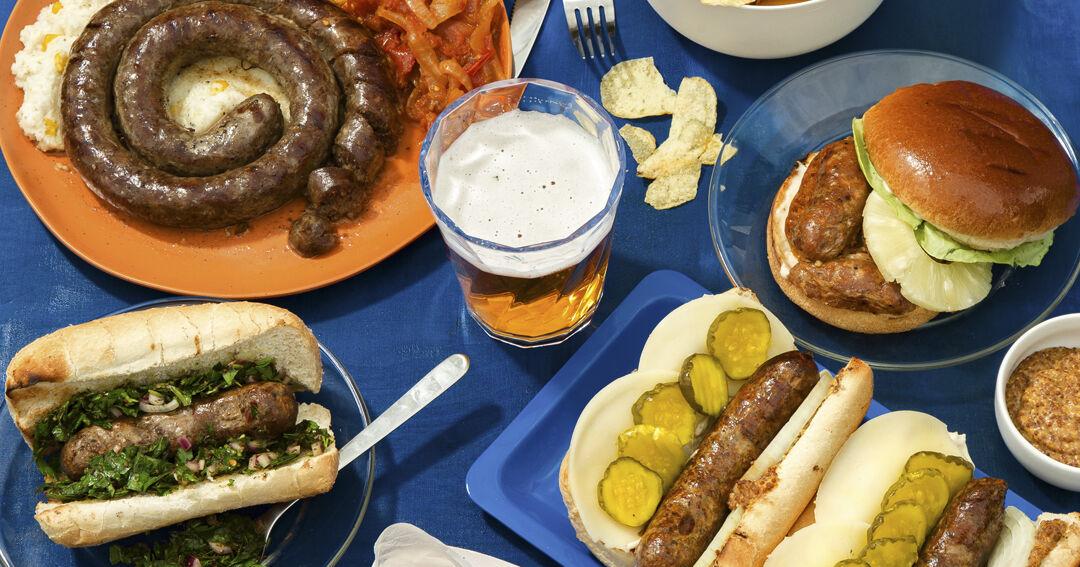
To create the ultimate Bratwurst Recipe Guide at home, you’ll want ingredients that strike a balance between authenticity and modern flexibility. The good news is that most elements are readily available, and once you gather your spice set, you can use it again for future batches.
Start with a high-quality base protein. Pork shoulder remains the most commonly used option because it naturally contains the right fat-to-meat ratio. You can also blend in veal to soften the flavor profile, or even experiment with turkey or chicken—though those versions often require added fat for best results. No matter the protein, freshness matters. Good meat leads to good sausage.
Next come the spices. German bratwurst relies on classic, comforting notes. You’ll need kosher salt, white pepper, ground ginger, nutmeg, coriander, and marjoram. Many recipes include mustard powder, mace, or a bit of garlic, but it depends on how traditional or bold you want your recipe to taste. Remember that spices lose potency over time, so it is always worth using fresh or recently opened seasonings.
Finally, if you’re planning to make authentic links, you’ll need natural hog casings. These can be found at many butcher shops or specialty stores. They may seem intimidating if you’ve never used them before, but they’re surprisingly forgiving once you understand how to soak, rinse, and thread them onto your sausage stuffer. With everything assembled, you’re already halfway to becoming a sausage-making pro.
Step-by-Step Instructions: How to Make the Best Bratwurst at Home
Once your ingredients are ready, it’s time to bring your bratwurst recipe to life. The process might look detailed at first glance, but when you break it down, it’s simply a series of manageable steps. Each step plays a crucial role in helping you achieve juicy, flavorful bratwurst with that signature bite.
Start by prepping the meat. Cut your pork shoulder into smaller chunks—two to three inches each works great. This size allows them to feed cleanly into your grinder without clogging. While preparing the meat, make sure everything stays cold. Chilled meat grinds more cleanly and prevents fat from smearing, which ultimately affects texture. Some people even like to freeze their grinder attachment for 20 minutes before use.
Once your meat is cut and chilled, coat it evenly with the seasoning blend. This step infuses flavor throughout and ensures consistency in every bite. After mixing, grind the meat using a medium or fine plate. The grind size affects the final mouthfeel—medium gives a rustic, classic texture, while fine creates a smoother, more delicate sausage. If you’re unsure, choose medium; it works beautifully for most bratwursts.
After grinding, the next crucial step is emulsifying. You’ll mix the meat thoroughly until it becomes slightly sticky and cohesive. This binding step ensures the sausage holds together properly, especially during cooking. Add a splash of ice-cold water to help the mixture bind and stay juicy. Once fully blended, your bratwurst mixture is ready for casing or shaping into patties if you prefer a quicker route. If using casings, feed them onto your stuffer nozzle and slowly fill them without over-packing. Twist into links, prick air pockets with a pin, and refrigerate to let the flavors settle.
Cooking Your Bratwurst to Juicy Perfection
Even the best bratwurst recipe can fall flat if it’s cooked poorly. Bratwurst is a sausage that benefits from gentle, patient cooking. High heat can cause the casing to burst, leaving you with a dry sausage and lost juices. Whether you grill, pan-sear, or simmer your bratwursts, the goal is even cooking that retains moisture.
One classic method involves simmering brats in beer and onions before finishing them on the grill. The simmering step gently cooks the sausages while infusing them with flavor, and the final grill marks add that smoky, irresistible exterior. If you’re using this method, avoid boiling—just keep the beer at a low, steady simmer.
Another great approach is pan-searing with a combination of butter and a splash of broth. This creates a rich, golden crust while allowing the brats to steam and cook evenly. It’s a fantastic method for winter months, when grilling may not be as convenient.
Finally, oven-roasting offers a hands-off option. Bake the bratwursts at 375°F, flipping halfway through to ensure even browning. This method keeps cleanup simple while still delivering consistent results. No matter the technique, aim for an internal temperature of 160°F, which ensures safety and a perfectly juicy interior.
Serving Ideas That Make Your Bratwurst Shine
A great bratwurst deserves an equally impressive presentation. While there’s nothing wrong with the traditional bun-and-mustard combo, there are so many fun, flavorful ways to elevate your bratwurst experience. With a bit of creativity, your bratwurst can be the centerpiece of anything from a casual lunch to a festive family gathering.
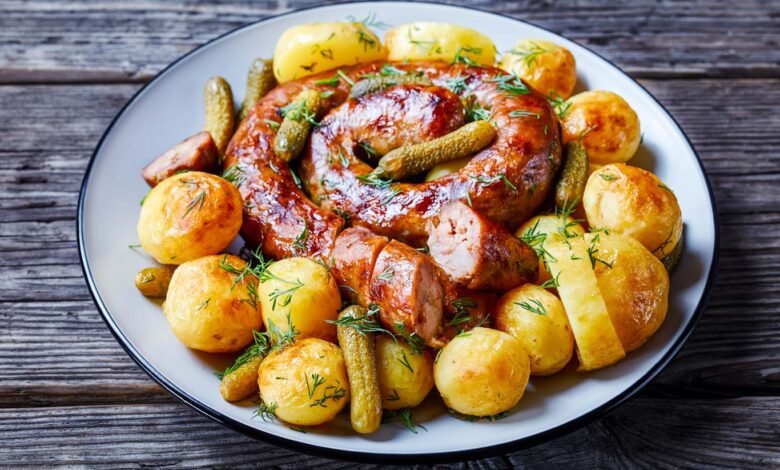
For starters, consider pairing your bratwurst with tangy sauerkraut or slow-cooked caramelized onions. These toppings balance the rich sausage with acidity and sweetness, making each bite wonderfully satisfying. If you’re hosting a backyard party, create a bratwurst topping bar featuring mustards, relishes, pickled peppers, and grilled vegetables. Guests love customizing their own plates.
Bratwurst also works beautifully sliced into pasta dishes, potato skillets, and hearty casseroles. When cooked and chopped, it becomes a flavorful protein base that adds depth to almost any recipe. Try tossing sliced bratwurst into a creamy mustard sauce with spaetzle or roasted potatoes—you might be surprised how well the flavors combine.
Finally, don’t forget the sides. Bratwurst pairs perfectly with German staples like pretzels, potato salad, and braised red cabbage, but its versatility extends far beyond traditional dishes. Even something as simple as grilled corn or a fresh cucumber salad complements the savory richness of a well-made brat.
Final Thoughts: Why This Bratwurst Recipe Deserves a Spot in Your Kitchen
Making bratwurst from scratch might feel like an ambitious project, but once you go through it step by step, it becomes a deeply rewarding culinary experience. You learn not just how to mix spices and grind meat, but how to craft something full of personality—something that feels both rustic and refined.
This bratwurst recipe gives you everything you need to succeed, from understanding the key ingredients to mastering each stage of preparation and cooking. With a bit of practice, you’ll discover the joy of creating sausages that feel truly handmade and tailored to your flavor preferences. Whether you’re cooking for friends, family, or your own personal satisfaction, homemade bratwurst brings warmth, character, and a touch of tradition to your kitchen.