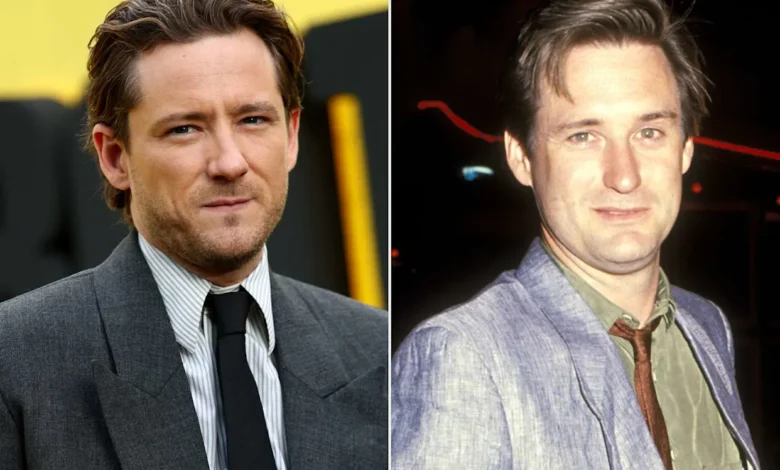
Lewis Pullman has quietly yet steadily built a diverse acting résumé over the past decade. From indie films and short features to big-budget blockbusters and thoughtful TV series, he’s shown a capacity for range — sometimes brooding, sometimes tender, sometimes quietly intense. In this article, we’ll dive deep into his most notable movies and television appearances, highlight what makes his performances stand out, and trace how his career has evolved.
Early Beginnings and Indie Roots
Lewis Pullman’s journey into acting didn’t start with glitzy premieres or blockbuster deals. Instead, he cut his teeth in the world of short films and smaller projects — the kind that often serve as training grounds for actors honing their craft.
He first appeared in the short film The Tutor (2013), marking the beginning of his on-screen career. Over the next few years, he continued working in short films — for instance, The Peter Cassidy Project (2015), Where You Are (2016), and The Realest Real (2016) among others.
Those early roles might not have made waves publicly, but they gave him time to learn, explore different character types, and build foundational skills away from the intense spotlight. That foundation — often overlooked — would prove invaluable when he transitioned to feature films.
Transition to Feature Films: First Major Roles
:max_bytes(150000):strip_icc():focal(749x0:751x2)/lewis-pullman-bill-pullman-casper-101424-tout-7692174b9b5846dfa4f754d917a13b49.jpg)
Lewis Pullman Movies and TV Shows ,Lewis’s first foray into feature-length cinema came in 2017. That year, he appeared in The Ballad of Lefty Brown as Billy Kitchen. It was a Western-style movie, giving him a chance to work in a more serious production and alongside more seasoned actors, building confidence and visibility.
That same year, he also appeared in Battle of the Sexes as Larry Riggs — a biographical sports drama centered on a famous tennis match. While these roles were still modest compared to blockbuster status, they marked an important pivot: from short films to credible feature films, setting the stage for bigger opportunities.
The shift from short-form, low-budget cinema to full-length features is often a tough jump for many actors. But Pullman seemed to navigate it with relative ease — gaining experience, learning to inhabit more fleshed-out characters, and preparing for more complex roles ahead.
Breakout Year: 2018 and the Rise of Recognition
2018 turned out to be a breakout year for Pullman. That was when he starred in Bad Times at the El Royale, playing Miles Miller. The film — a thriller-mystery with many twists and an ensemble cast — was a step up in terms of production scale and visibility. For Pullman, it was a chance to show he could handle a significant role in a complicated narrative.
In the same year, he appeared in The Strangers: Prey at Night (though the reviews for that one were more mixed). Nonetheless, having two films in the same year — especially one with relatively higher profile — helped solidify his presence in Hollywood’s wider acting circles.
What the 2018 projects did was twofold: they introduced Pullman to a broader audience, and they demonstrated that he wasn’t afraid to tackle different genres — from thriller-mystery to horror/suspense. That versatility would become a recurring theme in his career.
Expanding Scope: From Indie to Mainstream and TV
After establishing himself in films, Pullman began branching out — not just in movie roles, but also in television, and taking on diverse characters. For instance, in 2019 he appeared in Them That Follow — a film with more dramatic tension and psychological complexity.
That same year marked his entry into television with a recurring role in the mini-series Catch-22, based on the classic novel. He played a character with a memorable name — Major Major Major Major — showcasing a willingness to take on offbeat, perhaps slightly risky parts. These moves signaled a clear intent: Pullman wasn’t restricting himself to one lane. He seemed to understand that a well-rounded actor often goes where the story fits, whether that’s a big movie, a small indie, or a complex TV series.
Breakthrough and Mainstream Success: 2022 Onwards
Top Gun: Maverick (2022)
If some of Pullman’s earlier roles built his foundation, then Top Gun: Maverick catapulted him into mainstream visibility. In this blockbuster sequel to a beloved classic, he played Lt. Robert “Bob” Floyd. The film itself was a massive hit — praised for its action sequences, technical brilliance, and emotional beats — and pulled Pullman into the spotlight alongside major stars.
What’s especially interesting about his role as Bob is how he brought a grounded, relatable presence to a film defined by high-octane aerial action. His more introspective performance acted as a counterbalance to the adrenaline — and that contrast often makes supporting characters more memorable. Many critics and fans alike pointed out how the calm, almost understated quality he brought helped enrich the movie’s ensemble.
Outer Range (2022– )
Around the same time, Pullman dove into the small-screen world with Outer Range, a neo-western/sci-fi series on Amazon. He plays Rhett Abbott, the younger son in a ranching family — a character with dimension: flawed, sometimes reckless, but deeply human.
The show mixes the grounded realities of ranch life with a mysterious, supernatural edge. Pullman’s portrayal strikes a balance between rugged Western tropes and emotional vulnerability — something that’s rare and gives the character more depth than a typical “western son” role.
This combination of blockbuster film success and serious TV work proves that Pullman wasn’t content to be pigeonholed — he wanted to grow, experiment, and evolve.
Diversifying the Portfolio: Drama, Horror, Romance and More
In the years following Top Gun: Maverick, Lewis Pullman undertook a variety of roles, showing he’s not afraid to explore different genres:
- In 2022 he starred in Press Play — a romantic drama.
- In 2023, he was part of The Starling Girl and The Line, both of which allowed him to portray layered, dramatic characters.
- Also in 2023, he appeared in The Caine Mutiny Court-Martial — a film that leans more toward serious historical/legal drama.
Perhaps most notably, on the television side, he landed a starring role in Lessons in Chemistry (2023). In that series, he plays a brilliant but emotionally complex chemist, which many critics regard as one of his best — if not the best — performances to date.
What stands out across all these choices is the variety: Romero, horror, drama, romance — and not being afraid to shift from supporting to leading roles. That kind of range isn’t just about flexibility; it suggests a deliberate strategy: build a career that isn’t tied to a single genre or identity.
Recent & Upcoming Projects: Continuing the Momentum
As of 2024 and beyond, Pullman isn’t slowing down. He has continued to take on roles that stretch his abilities: for example, starring in Skincare (2024) — a crime thriller.
Looking ahead, there are some big and exciting projects on the horizon: he is slated to appear in Thunderbolts* (2025), playing Robert Reynolds / Sentry — a role that could dramatically expand his visibility and association with major franchises.
Additionally, there are reports he’ll star in Wishful Thinking, a surrealist romantic comedy alongside Maya Hawke. This appears to signal a willingness to tackle fresh, experimental, and possibly unconventional material — even as his career shifts more toward blockbuster and franchise-level projects.
Taken together, this mix of past success and upcoming projects suggests that Pullman is positioning himself not just as a supporting actor, but as a versatile actor with range — someone who can move between genres and scales without losing his distinct voice.
What Makes Lewis Pullman Stand Out
Range & Versatility
One of the most striking things about Pullman’s career is how varied his roles are. From indie shorts to high-flight action movies, from gritty dramas to romance, he seems less concerned with branding himself in a single mold and more interested in the challenge of the role. That willingness to experiment makes him unpredictable — and interesting.
Subtlety and Emotional Depth
Especially in roles like his character in Lessons in Chemistry, Pullman has shown he can portray emotional vulnerability, complexity, and nuance. He doesn’t always play the loudest or flashiest roles — sometimes it’s the quiet, introspective characters that stick with audiences. Critics have praised him for grounding eccentric or potentially one-dimensional characters in real, resonant humanity.
Balance Between Indie Roots and Mainstream Appeal
Because he began in smaller, indie productions and gradually moved into major films and TV series, Pullman maintains a grounded, somewhat humble approach to acting. He hasn’t abandoned indie-style storytelling even as he steps into blockbuster territory. That balance is rare and often hard to sustain — but he seems to manage it well.
Steady Growth Rather Than Overnight Stardom
Unlike some actors who shoot to fame with one breakout role then disappear, Pullman’s career feels like a steady climb. Each role seems to build on the last, giving him more experience, more nuance, and — importantly — more control over his trajectory. It’s a long game, and it appears to be paying off.
Noteworthy Roles: Personal Picks & Why They Matter
Here are a few standout roles from Pullman’s career — not necessarily because they were the biggest hits, but because they showcase different facets of his talent:
- Top Gun: Maverick — Lt. Robert “Bob” Floyd: A high-profile blockbuster that exposed Pullman to a massive global audience; his grounded performance added emotional weight to the action.
- Lessons in Chemistry — Calvin Evans: Perhaps his most emotionally complex and quietly powerful role — a character full of nuance, vulnerability, and depth.
- Outer Range — Rhett Abbott: A chance to lead in a serialized format, mixing Western vibes with sci-fi/ mystery — showing he can handle long-form character development.
- Bad Times at the El Royale — Miles Miller: A compelling role in a stylish thriller, demonstrating his comfort in ensemble casts and morally ambiguous narratives.
These roles reflect his ability to pivot across genres, tones, and character types — an asset for any actor wanting a long-lasting and varied career.
What to Watch For: The Road Ahead
Looking at his trajectory so far, there are several reasons to be excited about what might come next for Pullman. With projects like Thunderbolts and Wishful Thinking in the pipeline, he’s joining both franchise-level and experimental cinematic worlds. That means more visibility, but also more room for creative risk.
If he continues balancing blockbuster projects with character-driven films and series, he could become one of those rare actors who is known both for mainstream appeal and artistic credibility. That kind of career longevity often depends on adaptability — and Pullman seems to have that in spades.
For fans and observers of his work, it will be fascinating to see whether he lands a defining “signature” performance — or keeps building a mosaic of varied, compelling roles that together form a unique acting identity.
Conclusion
Lewis Pullman’s career — from his early days in short films to major motion pictures and ambitious TV series — shows a clear arc of growth, exploration, and evolving artistry. He’s neither a flashy instant star nor a one-role wonder; instead, he’s quietly crafting a body of work defined by versatility, emotional depth, and thoughtful genre-hopping.
Whether playing a grounded military pilot, a vulnerable scientist, a troubled rancher, or stepping into the world of horror or romance — Pullman brings authenticity. His willingness to take risks, his steady climb rather than overnight fame, and his balanced choice of roles all suggest a career in progress — one that’s likely to keep surprising audiences.
If you haven’t yet explored his filmography, now might be a great time. Lewis Pullman may not always headline the biggest billboard — but his performances often linger long after the credits roll.