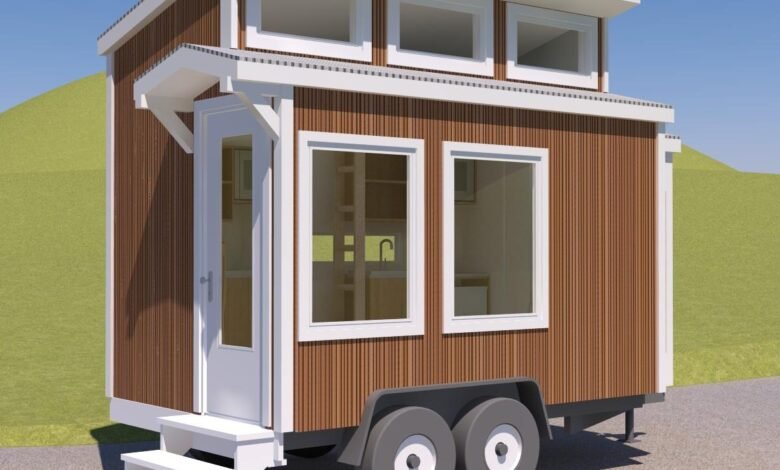
Tiny house living is a lot more than just moving into a smaller space—it’s a complete shift in perspective. At its core, the tiny house movement is about simplifying your environment so you can expand your life in other areas. Instead of paying for square footage you barely use, tiny living encourages you to invest in the moments, hobbies, and experiences that actually make you feel alive. Even though tiny houses range anywhere from 100 to 400 square feet, many people find that this reduction leads to a surprising increase in mental clarity and daily satisfaction.
However, tiny house living isn’t just about minimalism. It’s also about being intentional. When you choose to live tiny, you evaluate everything you own and decide what truly adds value to your life. Every item becomes more meaningful, and every corner of your home has purpose. This intentional approach creates a sense of peace and control that many people don’t realize they’re missing until they downsize.
There is also a growing cultural element to tiny house living. With rising costs of living, housing shortages, and changing work patterns, more people are exploring alternative ways of living that are sustainable, flexible, and financially manageable. Tiny houses fit perfectly into this new lifestyle, offering affordability without sacrificing comfort.
Why So Many People Are Choosing the Tiny Lifestyle
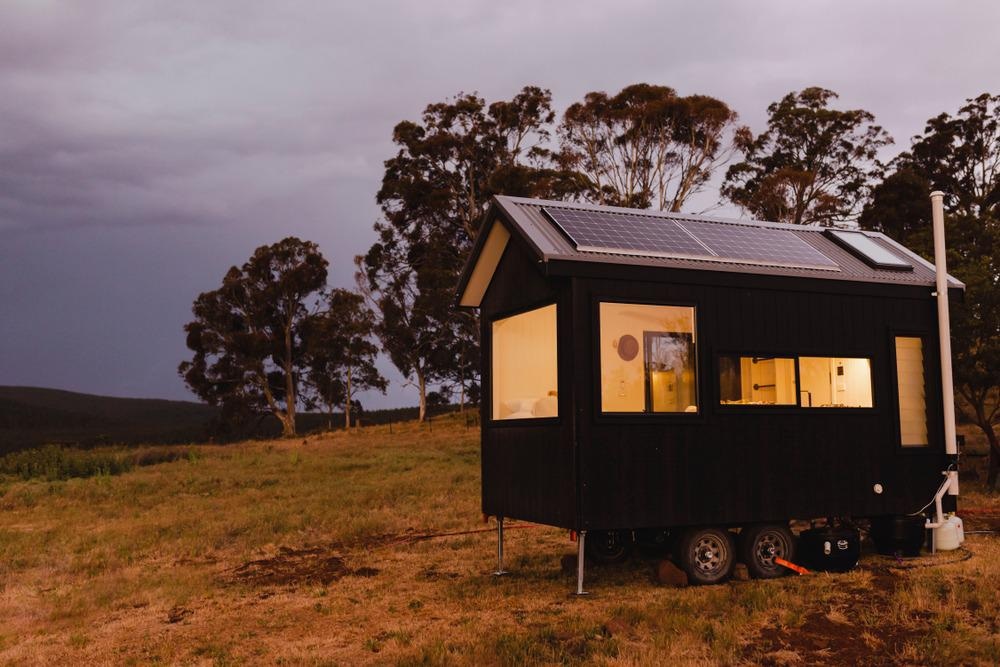
One of the biggest reasons people switch to tiny house living is financial freedom. Traditional homes come with massive mortgages, ongoing maintenance costs, and property taxes that can feel like they never end. Tiny homes, on the other hand, offer a much lighter financial load. Many can be built or purchased outright for a fraction of the cost of a conventional home. This means no decades-long mortgage and more money to spend on travel, hobbies, or simply living life on your terms.
Another reason tiny houses appeal to people is the environmental benefit. With less space to heat, cool, and power, tiny homes naturally reduce energy consumption. Many tiny homes are built with eco-friendly materials, and a lot of owners opt for solar energy systems, composting toilets, and rainwater collection setups. For those who care about their carbon footprint, the tiny lifestyle is a meaningful way to reduce environmental impact without sacrificing comfort.
Freedom and flexibility are also huge motivators. Since many tiny houses are constructed on wheels, they allow owners to travel, relocate, or enjoy a new backyard view whenever they want. Even stationary tiny homes provide a newfound sense of independence, letting people live closer to nature or in unique communities designed for tiny living. This sense of flexibility can be life-changing for anyone craving a break from traditional housing expectations.
Designing a Tiny House That Actually Feels Big
Design plays a huge role in making a tiny house feel functional and inviting. When your home is compact, every inch must be used strategically. The best tiny house layouts rely on smart storage, multi-use furniture, and creative space-saving solutions that maximize both comfort and efficiency. Lofted beds, built-in shelving, fold-down desks, and hidden compartments help you maintain a clean, open atmosphere without sacrificing practicality.
Natural light is one of the most powerful design tools in a tiny home. Large windows, skylights, and glass doors visually expand the space and make your home feel more connected to the outdoors. When sunlight fills a tiny room, the entire house feels more open and uplifting, which can have a positive effect on your mood as well.
Interior style also plays a big part in crafting the tiny home experience. Many tiny house owners lean toward minimalist design with simple color palettes and clean lines. However, tiny doesn’t have to mean plain. With the right textures, plants, lighting, and personal touches, tiny houses can feel warm, stylish, and full of personality. The goal is to combine practicality with charm—an aesthetic that makes everyday living feel pleasant and effortless.
Daily Life in a Tiny House: The Good, The Adjustments, and the Surprises
Living in a tiny home can be incredibly fulfilling, but it does come with a period of adjustment. One of the biggest changes is learning how to maintain cleanliness and organization more consistently. In a small space, clutter becomes noticeable very quickly. But the upside is that tidying up takes just a few minutes, and maintaining order becomes a natural part of your routine.
Another interesting element of tiny living is how it encourages you to spend more time outside. With fewer indoor distractions, many tiny home residents find themselves hiking more, working outdoors, visiting friends more often, or simply appreciating nature around them. This shift not only improves physical health but also enhances emotional well-being.
Tiny house living also tends to deepen relationships. Whether you live with a partner, family member, or pet, the closeness of the space encourages communication, teamwork, and intentional togetherness. But it also teaches you to honor personal space—you become more aware of when you need quiet, reflection, or time alone. Many people find that this balanced dynamic strengthens their relationships far more than traditional living arrangements ever did.
Challenges You Should Expect—and How to Handle Them
Tiny living isn’t perfect, and it’s important to understand potential challenges. One of the biggest obstacles is zoning and legal restrictions. Not all cities or neighborhoods allow tiny homes, especially those built on wheels. Before committing to tiny living, it’s crucial to research local laws, permitted land options, and building codes that apply to your chosen area. Planning ahead prevents headaches later on.
Storage limitations can also take some getting used to. If you’re someone who loves collecting items, tiny living may require a mindset shift. But many tiny home owners discover they didn’t actually need most of what they owned. Creative storage solutions and compact furniture can solve a lot of these problems, turning small spaces into highly efficient environments.
Lastly, downsizing can be an emotional journey. Letting go of items with memories can feel overwhelming, and saying goodbye to a larger lifestyle might bring up mixed feelings. However, most people find that once they settle into tiny living, they gain so much more than they gave up. The sense of freedom, control, and simplicity usually outweighs the temporary discomfort of downsizing.
Is Tiny House Living Right for You?
Deciding whether tiny house living suits you depends on your lifestyle, priorities, and goals. If you value freedom over excess, experiences over possessions, and flexibility over conventional routines, tiny living might just be the perfect fit. It caters to those who want a life centered on purpose and authenticity rather than material accumulation.
For people seeking an affordable lifestyle, tiny homes offer a practical path toward financial stability. They help reduce debt, limit unnecessary expenses, and provide a sense of security without the burden of a traditional mortgage. For environmentally conscious individuals, tiny houses offer a real way to reduce waste and live sustainably.
In essence, tiny house living isn’t just a housing choice—it’s a lifestyle philosophy. It invites you to rethink the way you define home, comfort, success, and happiness. And for many people, this new perspective opens doors to a simpler, richer, and far more fulfilling life.