Don Lemon :The Phenomenon Navigating Media, Power, and the Independent Frontier in 2026

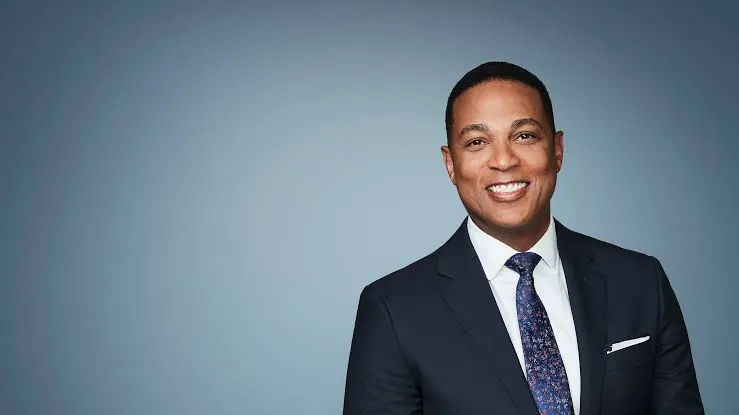
If you’ve been following the news lately—and I mean really following it beyond the headlines—you know that the name Don Lemon is currently at the center of a massive storm that feels like a scene straight out of a political thriller. As of early 2026, the man who was once the face of CNN’s prime-time lineup has found himself in a position that few could have predicted: an independent media mogul fighting a federal legal battle that could redefine the boundaries of the First Amendment.
For the uninitiated, Don Lemon isn’t just a “former news anchor” anymore. He’s become a symbol of the massive shift from corporate media to independent ownership. But as the events of January 2026 have shown, that independence comes with a heavy price tag. While covering a series of high-stakes protests in Minnesota involving federal immigration enforcement, Lemon was taken into custody by federal agents in Los Angeles. This wasn’t just a routine arrest; it’s a flashpoint in a growing tension between independent journalists and the current administration.
Understanding the “Don Lemon” of 2026 requires looking at him through a dual lens. On one hand, you have the seasoned pro with 30 years of broadcast experience who knows exactly how to work a camera. On the other, you have a digital pioneer who realized that in the current media landscape, owning your platform is the only way to ensure your voice isn’t silenced by a corporate board or a billionaire’s whim. Let’s break down how we got here and why the current situation matters more than you might think.
The Pivot to Independence: Life After the “Cable News” Era
When Don Lemon left CNN in April 2023, the industry chatter was essentially a funeral march for his career. Critics claimed he was “past his prime” or “too controversial” for a seat at the big table. However, those critics fundamentally misunderstood the direction the wind was blowing. Instead of trying to squeeze back into a legacy network mold, Lemon bet on himself. He launched The Don Lemon Show and pivoted to platforms like YouTube, Substack, and social media, amassing millions of subscribers who followed him for his unfiltered perspective.
By 2025, Lemon had successfully transitioned from being a network employee to a media brand owner. In interviews during this period, he often spoke about the “survival” aspect of independent media. He argued that when large institutions own the microphone, they also own the truth. By moving his operation to independent channels, he gained the freedom to cover stories that might have been deemed too “risky” or “politically sensitive” by a traditional newsroom. This wasn’t just about ego; it was about the autonomy to report on the ground without a producer in his ear.
This period of “unconquerable and unapologetic” journalism saw Lemon leaning into his role as a public intellectual. He focused heavily on issues of race, democracy, and government accountability—topics he felt were being sanitized in the mainstream. His move was part of a larger exodus of high-profile journalists (like Tucker Carlson on the other side of the aisle) who realized that the real power in 2026 isn’t a timeslot on a cable grid; it’s the direct, unmediated connection with a loyal audience.
The 2026 Legal Battle: Journalism or Activism?

The current headlines surrounding Don Lemon’s arrest in January 2026 are the culmination of his independent reporting strategy. While documenting a protest at “Cities Church” in St. Paul, Minnesota—where demonstrators were calling for justice following the fatal shooting of a local mother by federal agents—Lemon was accused by the Justice Department of moving beyond the role of a reporter. The government’s case, led by high-ranking officials, suggests that his presence and his livestreaming contributed to the disruption of a religious service.
From an expert perspective, this case is a legal minefield. Lemon’s attorney, Abbe Lowell, has been vocal in calling this an “unprecedented attack on the First Amendment.” The core of the argument is whether a journalist—especially one who operates independently—can be held liable for the actions of the people they are filming. Lemon has maintained throughout his coverage that he was there solely as a chronicler of the events, interviewing both the protesters and the parishioners. He even predicted on his show that the administration would target him, famously saying, “Keep trying. That’s not going to stop me from being a journalist.”
This situation highlights the precarious position of independent media in 2026. Without the legal department of a multi-billion dollar corporation like Warner Bros. Discovery behind him, Lemon is essentially flying solo in a high-velocity legal hurricane. However, his arrest has galvanized a broad spectrum of press freedom advocates. The debate isn’t just about Don Lemon the person; it’s about the right of any journalist to document civil unrest without being categorized as an “insurrectionist” or a “conspirator” by the state.
The Cultural Impact: Don Lemon as a Mirror of Modern Media
Beyond the legalities, Don Lemon’s journey serves as a fascinating mirror of our current cultural divide. To his supporters, he is a brave voice speaking truth to power in a time of increasing state control. To his detractors, he represents a new breed of “activist-journalist” who blurs the lines between reporting and participation. Regardless of which camp you fall into, there is no denying that he has mastered the art of staying relevant in an era where fame is often fleeting.
What makes Lemon particularly unique in 2026 is his ability to bridge different worlds. He is a Black, gay man from the South who spent decades in the “white-shoe” world of corporate news before jumping into the “wild west” of digital media. This lived experience gives him a level of nuance that resonates with a diverse, global audience. Whether he’s covering the Grammys in Los Angeles or a protest in the freezing cold of Minnesota, his “on-the-ground” style feels more authentic to a younger generation that has largely abandoned the 6:00 PM evening news.
As we look toward the rest of 2026, the outcome of Lemon’s legal challenges will likely set a major precedent for the “creator economy” of news. If the government succeeds in prosecuting a journalist for filming a protest, the ripple effects will be felt by every independent YouTuber and podcaster in the country. Don Lemon didn’t just walk away from a comfy chair at CNN; he walked into the front lines of a battle for the future of information. Love him or hate him, you can’t afford to ignore him.