
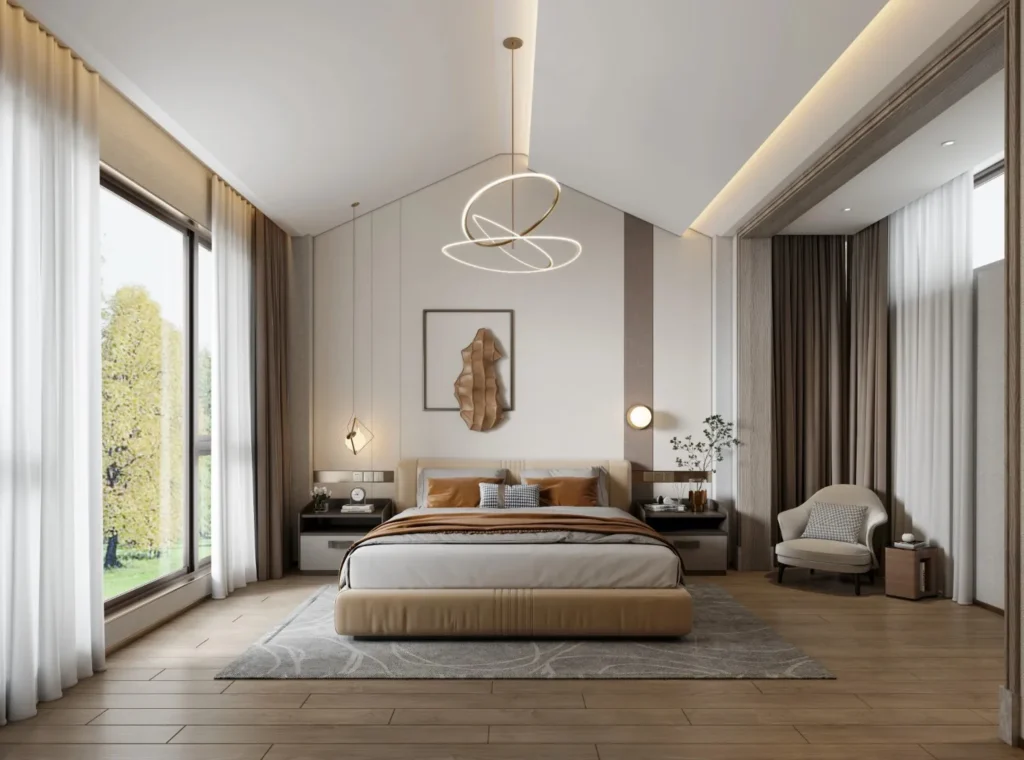
Interior design trends evolve constantly, shaped by cultural shifts, technological innovations, and a growing desire to create spaces that truly feel like home. Today’s design world is all about merging beauty with functionality, comfort with creativity, and sustainability with style. Whether you’re redesigning your home, upgrading a rental, or simply staying updated, understanding current interior design trends can spark fresh inspiration. In this article, we’ll explore the most influential trends dominating the interior design scene in 2025—and how you can incorporate them effortlessly.
1. The Rise of Warm Minimalism
Warm minimalism has become the signature style for homeowners who love clean spaces but don’t want them to feel cold or barren. Unlike classic minimalism, which can sometimes appear sterile, warm minimalism adds personality through textures, earthy tones, and small but meaningful décor accents. Think of it as minimalism with a soul—simple, uncluttered, yet incredibly inviting.
One of the biggest advantages of this trend is its flexibility. You’re not required to follow strict design rules or eliminate everything that doesn’t serve a purpose. Instead, warm minimalism encourages you to choose items that genuinely matter to you. A soft woven throw, a handcrafted vase, or a warm wooden coffee table can transform your minimalist space from plain to cozy without compromising the clean aesthetic. This makes the trend perfect for small apartments or modern homes that emphasize light and space.
What makes warm minimalism stand out is its focus on natural materials. Organic textures like stone, clay, linen, and unfinished wood are becoming staples. These elements soften sharp lines while adding visual warmth. With this trend, the goal isn’t just to create a nice-looking room—it’s to design a peaceful, harmonious environment that makes you instantly feel at ease.
2. Biophilic Design: Bringing Nature Indoors

Top Interior Design Trends ,Biophilic design isn’t just a trend—it’s becoming a lifestyle choice. With people spending more time indoors than ever, the need to feel connected to nature has grown significantly. This trend is all about using natural elements to enhance your living space and improve your well-being. Plants are the obvious starting point, but biophilic design goes deeper than adding greenery.
A big part of biophilic interiors involves using materials that reflect the outdoors, such as wood, rattan, stone, and bamboo. These materials not only enhance aesthetics but also create a sense of calm. Natural textures have a grounding effect, making your home feel like a retreat from the chaos of everyday life. Many homeowners are also embracing large windows and skylights to maximize natural light—one of the most valuable elements of biophilic design.
Another powerful aspect of this trend is the emphasis on nature-inspired color palettes. Greens, browns, muted blues, and warm neutrals mimic the natural world and create a soothing atmosphere. Whether you’re designing a living room, a bedroom, or a workspace, incorporating biophilic principles can help reduce stress, boost creativity, and improve overall mood. It’s not just a design choice—it’s a wellness strategy.
3. Bold Statement Pieces and Expressive Decor
If you’re someone who enjoys a touch of drama, this trend will speak to you. Statement décor is making a huge comeback. After years of neutral palettes and understated designs, homeowners are ready to embrace creativity and individuality. This trend encourages you to showcase personal style through bold furniture, unique art pieces, and unexpected color combinations.
One of the best things about statement décor is its versatility. You can go big with a sculptural chandelier, a vibrant sofa, or an oversized painting. Alternatively, you can keep it subtle with patterned cushions, quirky lamps, or abstract wall art. The key is to incorporate pieces that spark joy and add personality to your space—there’s no right or wrong approach.
Color also plays a major role here. While neutrals remain popular, more homeowners are experimenting with rich hues like emerald green, terracotta, mustard yellow, and deep navy. These colors add depth and character without overwhelming the room. Paired with minimalist foundations, statement pieces become focal points that elevate the entire design. It’s the perfect balance between functionality and creativity.
4. Sustainable and Eco-Friendly Interiors
Sustainability is no longer a niche trend—it’s becoming a cornerstone of modern interior design. More homeowners are conscious of the environmental impact of their choices. This shift has encouraged designers to prioritize recycled materials, ethical craftsmanship, and energy-efficient solutions. Sustainability isn’t just about being eco-friendly—it’s about choosing quality over quantity.
One popular approach is opting for furniture made from reclaimed wood or recycled metals. These pieces often have unique textures and stories, adding charm and authenticity to your home. Vintage and upcycled furniture is also gaining traction, as people look for ways to reduce waste while adding character to their interiors. Instead of mass-produced items, handcrafted pieces are becoming more desirable.
Sustainable design also includes smarter energy usage. LED lighting, eco-friendly insulation, and smart home systems help reduce power consumption without compromising comfort. Even small changes—like choosing natural fiber rugs, low-VOC paints, or organic fabrics—can make a significant difference. The beauty of this trend lies in its combination of style, functionality, and responsibility. You’re not just decorating—you’re contributing to a healthier world.
5. Multifunctional Spaces for Modern Living
As lifestyles evolve, homes must evolve with them. Multifunctional spaces are becoming essential, especially in smaller homes or urban apartments. Many people now work, relax, exercise, and entertain—all in the same environment. This has created a demand for flexible layouts and smart furniture solutions that maximize space without sacrificing style.
One common approach is using furniture that serves multiple purposes. For example, a sofa bed, foldable desk, or expandable dining table can transform a room based on your needs. Open shelving, modular sofas, and sliding partitions are also popular because they allow you to reconfigure your space effortlessly. This trend proves that you don’t need a large home to live comfortably—you just need thoughtful design.
Designers are also focusing on creating zones within a single room. A bedroom might include a small workspace; a living room may feature a reading nook; a balcony could double as a mini garden. By defining each area with rugs, lighting, or furniture arrangement, your space becomes more intentional. Multifunctionality isn’t just practical—it’s a reflection of the dynamic way we live today.
6. Smart Home Integration and Tech-Driven Design
Technology has become a natural extension of interior design, enhancing functionality without compromising aesthetics. Smart home features such as automated lighting, voice-controlled devices, and energy-efficient appliances are no longer luxuries—they’re becoming the norm. The newest trend is seamlessly integrating tech into the design so it feels invisible and intuitive.
One major advantage of tech-driven design is convenience. Smart thermostats adjust temperature automatically, lighting systems create ambiances with a single command, and smart security systems provide peace of mind. These features make daily life easier while also adding long-term value to your home. The key is blending technology subtly so your space maintains its personality and warmth.
Even furniture and decor are becoming tech-enhanced. Charging stations built into tables, sound-absorbing wall panels, and LED-integrated mirrors are just a few examples. Tech no longer looks futuristic—it blends into modern aesthetics effortlessly. This trend is perfect for those who want a stylish home that also supports a connected, efficient lifestyle.