What Google Bubble Level Really Is
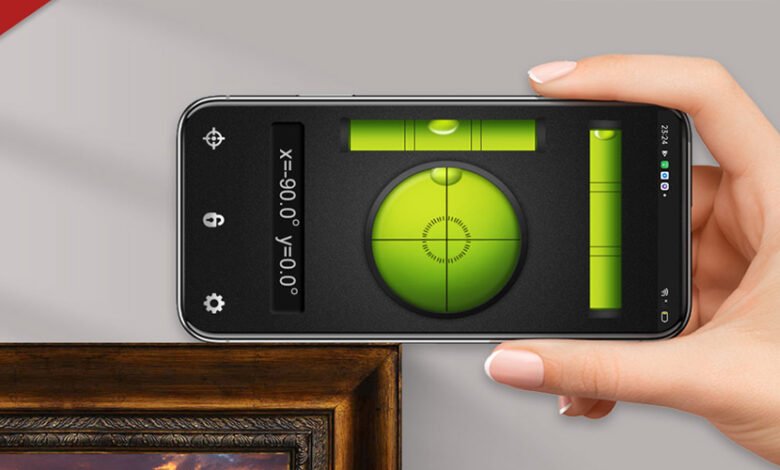
Google Bubble Level is a built-in digital leveling tool that turns your smartphone into a virtual spirit level. At its core, it uses your phone’s internal sensors—mainly the accelerometer and gyroscope—to detect whether a surface is perfectly horizontal or vertical. Instead of relying on a physical bubble inside a tube, Google Bubble Level displays a moving digital bubble on your screen that reacts instantly to changes in angle.
What makes Google Bubble Level particularly impressive is how accessible it is. You don’t need to download a third-party app, sign up, or pay anything. Simply searching for “Google Bubble Level” on Google, especially on a mobile device, activates the tool instantly. This simplicity is a big part of why it has quietly become one of Google’s most useful hidden utilities.
Although it may look basic at first glance, the tool is surprisingly accurate for everyday tasks. While it may not replace professional-grade leveling instruments used by engineers or surveyors, it performs extremely well for home projects, furniture alignment, photography, and quick measurements where convenience matters most.
How Google Bubble Level Works Behind the Scenes
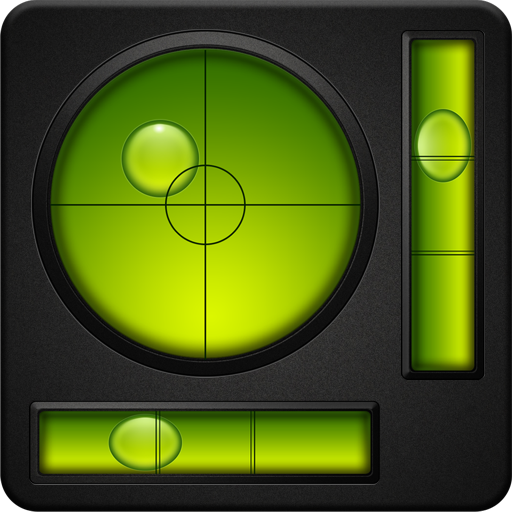
The technology behind Google Bubble Level is rooted in your phone’s motion sensors. Modern smartphones are packed with accelerometers that measure changes in movement and orientation. When you place your phone on a surface, these sensors detect how gravity is pulling on the device, allowing Google’s software to calculate the angle relative to level ground.
Google’s interface then translates this data into a visual format that mimics a traditional bubble level. As you tilt your phone, the digital bubble moves accordingly. When the bubble settles in the center, the surface is level. This familiar visual design makes it intuitive even for people who have never used a physical spirit level before.
Another important factor is calibration. Google Bubble Level relies on your phone being properly calibrated, which usually happens automatically. However, if your phone has been dropped or has sensor issues, accuracy can suffer slightly. Even so, for most users, the tool remains consistently reliable and fast, making it ideal for casual and semi-technical use.
How to Access Google Bubble Level Instantly
One of the strongest advantages of Google Bubble Level is how easy it is to access. You simply open Google Search on your smartphone and type “Google Bubble Level.” Within seconds, the interactive tool appears directly in the search results, ready to use. There’s no installation process or learning curve involved.
On Android devices, the experience is especially smooth because Google services are deeply integrated into the system. However, iPhone users can also access it through the Google app or mobile browser. As long as your device has motion sensors—and nearly all modern phones do—you’re good to go.
This instant access is what sets Google Bubble Level apart from traditional apps. Many leveling apps require permissions, ads, or in-app purchases. Google’s version cuts through all of that and delivers a clean, distraction-free experience, which is rare in today’s app ecosystem.
Practical Everyday Uses of Google Bubble Level
Google Bubble Level shines in everyday scenarios where speed and convenience matter. Hanging picture frames is one of the most common uses. Instead of guessing or pulling out a bulky toolbox, you can simply place your phone on top of the frame and adjust until the bubble centers perfectly.
Furniture alignment is another area where this tool proves invaluable. Whether you’re leveling a coffee table, bookshelf, or desk, Google Bubble Level helps ensure everything sits evenly. This not only improves aesthetics but can also prevent wobbling and long-term wear on furniture joints.
DIY enthusiasts also appreciate using Google Bubble Level for small home improvement projects. Tasks like installing shelves, mounting TVs, or aligning appliances become much easier when you have a reliable leveling reference in your pocket at all times.
Google Bubble Level for Photography and Videography
Beyond home improvement, Google Bubble Level is surprisingly useful for photography and videography. Many creators struggle with slightly tilted horizons, especially when shooting landscapes or architectural scenes. Using the bubble level helps ensure straight lines and balanced compositions.
For video creators, especially those recording with smartphones, maintaining a level frame is crucial for professional-looking results. A subtle tilt can make footage feel amateurish. Google Bubble Level allows creators to quickly check alignment before recording, saving time in post-production.
Even casual social media users can benefit from this feature. Whether you’re filming a reel, story, or short clip, using the bubble level helps create visually pleasing content that feels more polished and intentional.
Accuracy and Limitations You Should Know
While Google Bubble Level is highly convenient, it’s important to understand its limitations. It is designed for general-purpose use, not precision engineering or construction work that requires certified tools. Small sensor inaccuracies or uneven phone cases can slightly affect readings.
Surface contact also matters. If your phone doesn’t lie flat due to a thick case or camera bump, the results may be skewed. In such cases, removing the case or using a flat reference edge on your phone can improve accuracy significantly.
That said, for most household tasks, Google Bubble Level delivers more than enough precision. The margin of error is usually negligible for everyday use, making it a practical alternative to physical levels in many situations.
Comparing Google Bubble Level to Traditional Spirit Levels
Traditional spirit levels have been around for centuries and are still widely used for good reason. They are durable, consistent, and don’t rely on batteries or sensors. However, they are also easy to misplace and not always available when you need them.
Google Bubble Level, on the other hand, trades absolute precision for unmatched convenience. Since your phone is almost always with you, the tool is instantly accessible. This makes it ideal for spontaneous tasks or quick checks where pulling out a physical level would be overkill.
In many cases, the two tools can complement each other. Professionals may still rely on traditional levels for critical work, while using Google Bubble Level for quick estimates or preliminary alignment before fine-tuning with specialized equipment.
Why Google Bubble Level Stands Out Among Digital Tools
There are countless leveling apps available, but Google Bubble Level stands out because of its simplicity and trust factor. Users are often wary of downloading unknown apps that request unnecessary permissions. Google’s built-in tool eliminates these concerns entirely.
The interface is clean, responsive, and free from ads. This focus on usability reflects Google’s broader design philosophy: providing helpful information with minimal friction. It’s a small tool, but it embodies the idea of technology quietly improving everyday life.
Additionally, because it’s part of Google Search, updates and improvements happen seamlessly. Users don’t need to worry about compatibility issues or outdated software, which adds to the long-term reliability of the tool.
Tips to Get the Best Results from Google Bubble Level
To get the most accurate readings, always place your phone on a flat, stable surface. Avoid holding it in your hand, as even slight movements can affect the bubble’s position. Let the phone settle for a second before making adjustments.
If your phone has a noticeable camera bump, try positioning it so the bump doesn’t interfere with contact. Alternatively, use the side or top edge of the phone against vertical surfaces like walls or cabinets for better alignment.
Finally, keep your phone’s sensors calibrated by restarting your device occasionally and avoiding extreme magnetic environments. These small habits can help maintain consistent performance over time.
Final Thoughts on Google Bubble Level
Google Bubble Level is a perfect example of how powerful simple tools can be when designed well. It doesn’t try to replace professional equipment, but it fills a very real gap for everyday users who need quick, reliable leveling without extra hassle.
Its ease of access, clean design, and practical accuracy make it a standout feature hidden in plain sight. Many people still don’t realize it exists, which makes discovering it feel like unlocking a small productivity secret.