Introduction: Why Corrosion Prevention Matters More Than You Think
Corrosion might sound like a slow, boring chemical process that only engineers care about, but in reality, it’s a huge deal. From bridges and cars to pipelines and everyday household items, corrosion has the potential to destroy metal faster than most people expect. At first, it starts small—maybe a little rust spot or discoloration—but leave it alone long enough, and you’ll be dealing with expensive repairs, safety hazards, and even structural failures.
The real challenge is that corrosion never stops on its own. Once it kicks in, it keeps going unless you actively work to control it. That’s why corrosion prevention isn’t just an optional maintenance step; it’s a necessity if you want metal structures to last. The good news? A combination of good design, smart material choices, and proper protection methods can drastically slow down or completely stop corrosion.
Understanding corrosion prevention is like knowing how to maintain your health. When you know the causes, risk factors, and preventive techniques, you can protect your equipment and save yourself a lot of money in the long run. In the sections below, we’ll break down the most effective corrosion prevention strategies in a simple but expert way.
Understanding Corrosion: What Exactly Are We Preventing?
The Science Behind Corrosion
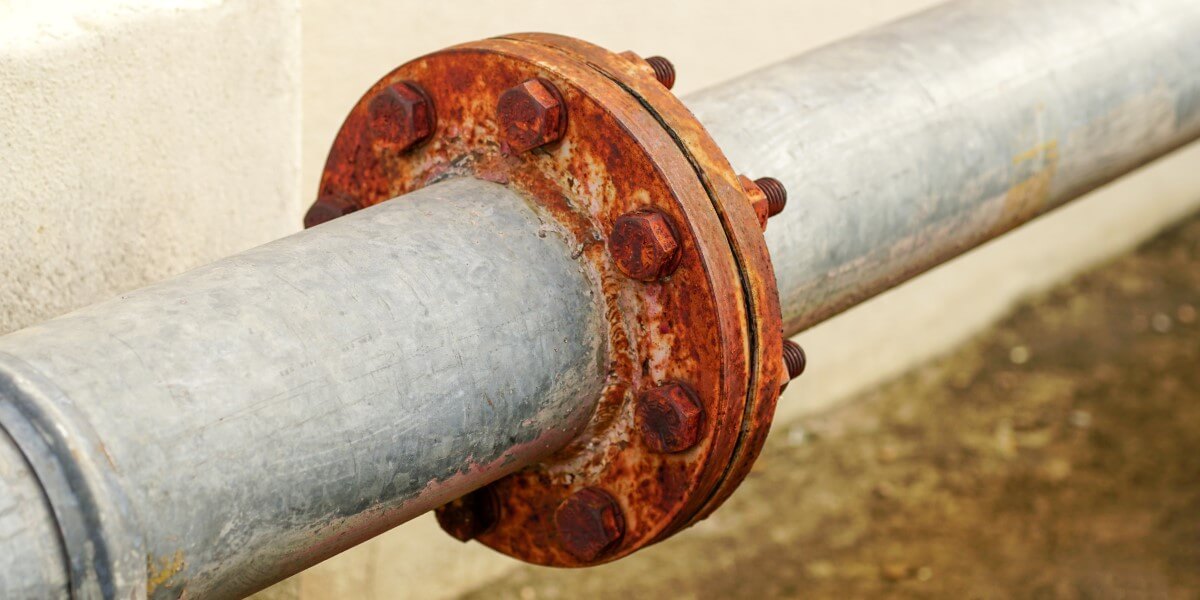
Corrosion prevention happens when a metal reacts with its environment, usually in the presence of oxygen and moisture. This reaction forms oxides—like the red rust you see on iron—that gradually eat away at the metal. Think of corrosion as a natural force trying to return metals back to their original mineral form.
What makes corrosion tricky is that it comes in many different forms. For example, atmospheric corrosion occurs simply from exposure to air humidity, while galvanic corrosion appears when two different metals touch in the presence of an electrolyte. Then there’s pitting corrosion, which creates deep small holes that can weaken a metal from the inside without warning.
The important takeaway is that corrosion is not a single problem. It’s a broad category of deterioration processes that depend heavily on environmental conditions, metal type, and usage. That’s why a one-size-fits-all solution doesn’t exist.
Why Corrosion Is So Expensive and Dangerous
Corrosion isn’t just ugly—it’s costly. Worldwide, billions of dollars are lost every year due to corroded equipment, weakened infrastructure, and emergency repairs. When pipelines corrode, industries face shutdowns. When reinforcing steel corrodes in buildings, concrete cracks and structures become unsafe. Even everyday assets like cars, tools, and appliances suffer from corrosion-related wear.
But beyond money, corrosion is also a safety issue. A rusted bridge support, a leaking gas pipeline, or a corroded marine vessel can create life-threatening situations. That’s why governments and industries invest heavily in inspection, coatings, corrosion-resistant materials, and protective technologies.
Knowing What Causes Corrosion Helps Prevent It
The first step in corrosion prevention is identifying the factors that accelerate it. Moisture, salt, acidic conditions, pollution, and contact between dissimilar metals all play a major role. When you understand what environmental conditions you’re dealing with, you can choose the right protection approach. For example, metals used near the sea need stronger protection because salt dramatically speeds up corrosion.
Once you know the “why,” choosing the “how” becomes a whole lot easier.
Material Selection: Choosing the Right Metal for the Job
A Good Metal Choice Is the First Line of Defense
One of the smartest ways to prevent corrosion is simply selecting a material that can withstand the environment. For instance, stainless steel contains chromium, which forms a natural protective layer that resists rust. Aluminum forms a similar oxide layer that protects it from further corrosion. Meanwhile, titanium is known for its impressive corrosion resistance in aggressive environments like seawater and chemicals.
Of course, some of these materials can be expensive, so you always balance cost with performance. But choosing the right metal from the beginning saves a lot of trouble later.
Coated and Alloyed Metals Make a Big Difference
Sometimes the base metal itself doesn’t need to be corrosion-resistant—just the surface. Alloying metals with elements like nickel, chromium, or zinc can drastically improve their corrosion resistance. That’s why galvanized steel (steel coated with zinc) is so popular. The zinc layer corrodes first, protecting the underlying steel.
Engineers often pick metal alloys based on the exact type of corrosion they expect. For example, nickel-based alloys are excellent against pitting corrosion, while aluminum alloys work well in marine environments.
Matching Materials to Environments
One of the biggest mistakes in construction and manufacturing is using the wrong metal in the wrong place. For example, untreated steel in a humid coastal environment will rust extremely quickly. Copper in an industrial area may develop corrosive compounds due to sulfur in the air.
When choosing materials, always consider the environment—temperature, humidity, chemicals, and contact with other metals. Good planning prevents headaches and costly failures down the line.
Surface Protection: Coatings, Paints, and Barrier Layers
Paint: The Most Common and Cost-Effective Barrier
Painting isn’t just for aesthetics—it’s one of the most effective corrosion prevention techniques. Paint acts as a barrier between the metal and the corrosive environment, keeping moisture and oxygen away. Modern corrosion-resistant paints often include special additives like zinc particles, which provide added protection.
Different environments require different paint systems. For example, industrial coatings used on oil rigs are incredibly durable, while automotive paints balance protection with appearance.
Galvanizing and Metal Coatings
Galvanizing involves coating steel with a layer of zinc, which protects the steel from rusting. The zinc layer acts as a “sacrificial” metal—it corrodes instead of the steel. Hot-dip galvanizing is especially popular for outdoor structures, fences, streetlights, and construction frameworks.
Other metal coatings, like chrome plating or nickel plating, also provide corrosion resistance. They work by creating a strong, protective barrier that keeps corrosive agents away.
Special Protective Films and Sealants
In some industries, corrosion prevention relies on thin protective films, sealants, oils, or wax coatings. These are common in automotive parts, electronics, and stored machinery. The goal is the same: create a temporary or long-term shield between the metal and the environment.
These coatings are especially useful for equipment that is stored for long periods or transported through humid or salty conditions.
Environmental Control: Changing the Conditions That Cause Corrosion
Reducing Moisture and Humidity
If metals are stored in a controlled environment, keeping humidity low can reduce corrosion drastically. Dehumidifiers, ventilation systems, and climate-controlled warehouses are often used to protect sensitive equipment.
Even something as simple as storing tools in a dry cabinet or using silica gel packets makes a noticeable difference.
Avoiding Contact Between Dissimilar Metals
Galvanic corrosion occurs when two different metals touch and an electrolyte (like water) is present. The more “active” metal corrodes faster, while the other is protected. To prevent this, industries use insulating materials, gaskets, rubber pads, or coatings to separate metals.
This simple step prevents many hidden corrosion problems.
Controlling Chemicals and Pollutants
Industrial pollutants such as sulfur dioxide, chlorine, and ammonia can accelerate corrosion. Managing these chemical exposures—through ventilation, neutralizing agents, or corrosion-resistant materials—helps prevent damage in factories and industrial plants.
Cathodic Protection: High-Tech Defense Against Corrosion
How Cathodic Protection Works
Cathodic protection is one of the most advanced methods of corrosion prevention. It works by turning the metal you want to protect into the “cathode” of an electrochemical cell so it does not corrode. This is usually done by attaching a more reactive metal (a sacrificial anode) or by using an electrical current.
You’ll see cathodic protection used in pipelines, ship hulls, underground tanks, and offshore structures.
Sacrificial Anode Systems
In sacrificial anode systems, metals like zinc, aluminum, or magnesium are intentionally allowed to corrode first. These anodes gradually wear away, protecting the main metal structure. While they need to be replaced eventually, the system is proven, reliable, and widely used.
This method is simple but extremely effective for environments with high moisture or salt exposure.
Impressed Current Protection
For larger structures, an electrical system is used instead of sacrificial metals. This method supplies a controlled electrical current to stop corrosion. It’s more complex and requires monitoring, but it’s ideal for long-term protection of massive infrastructure like pipelines or offshore rigs.
Conclusion: Corrosion Prevention Is About Planning, Protection, and Smart Choices
Corrosion prevention isn’t a luxury—it’s a necessity. Without it, metal structures deteriorate faster, industries lose money, and safety risks increase. By choosing the right materials, applying effective surface coatings, controlling the environment, and using advanced protection methods, corrosion can be slowed dramatically or even stopped.
The best approach is always a combination of strategies. Whether you’re protecting a simple metal tool or an entire industrial pipeline, understanding the causes of corrosion and planning ahead will save time, money, and effort in the long run.