Introduction: When Social Media Crosses the Line
George Floyd Challenge an era where trends rise and fall at the speed of a scroll, the “George Floyd Challenge” remains one of the most disturbing examples of how social media can twist tragedy into spectacle. Emerging in the wake of George Floyd’s death in 2020, this so-called “challenge” involved participants recreating his final moments — a horrifying act that mocked the suffering and injustice that had sparked a global movement for racial equality. The phrase itself carries a chilling contradiction: the word challenge implies fun, participation, and community, yet its context here is rooted in pain, loss, and disrespect.
The emergence of this challenge highlights how deeply desensitized some corners of the digital world have become. While platforms like TikTok, Instagram, and Facebook were instrumental in raising awareness about Floyd’s murder and the broader Black Lives Matter movement, they were also the same spaces where a small but vocal group of individuals exploited tragedy for attention. It’s a stark reminder that the internet reflects both the best and worst of human behavior — empathy on one side, cruelty on the other.
This article explores not only what the George Floyd Challenge was, but also why it happened, what it says about our culture, and how society must confront this moral rot before the next viral moment crosses another sacred line. The goal is not to sensationalize, but to understand — because ignorance only ensures repetition.
The Origin: From Protest Symbol to Parody
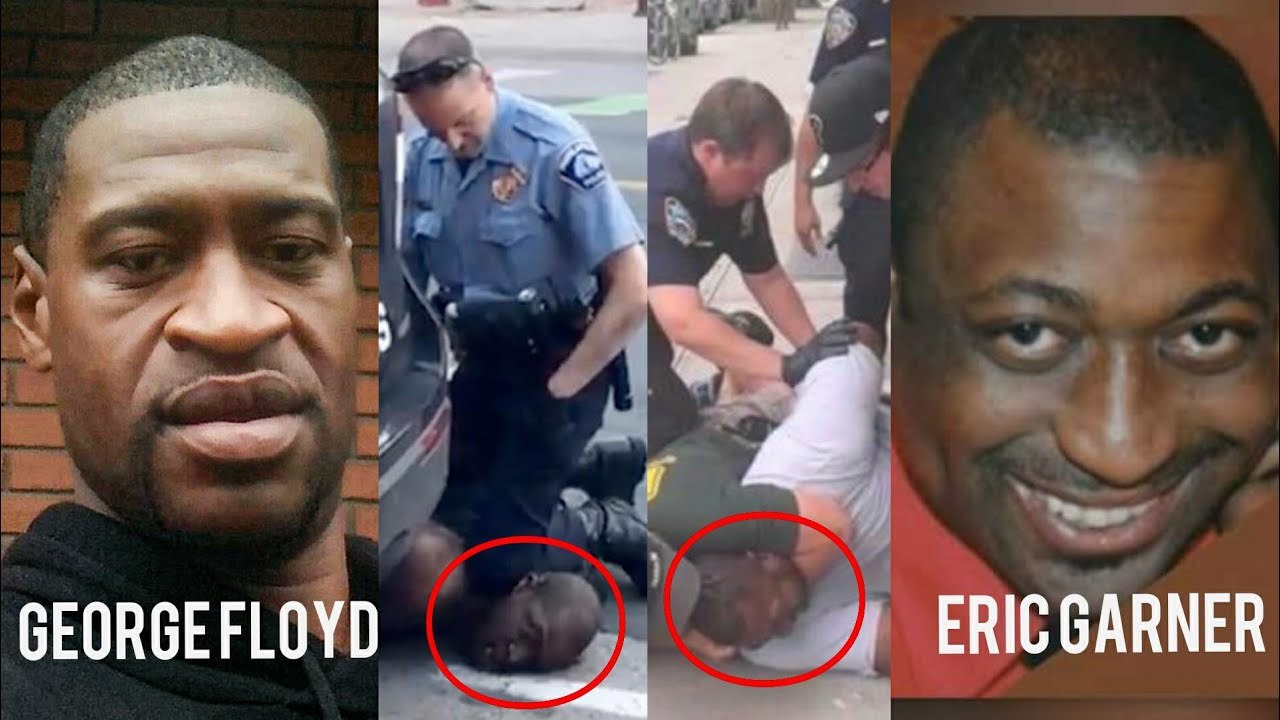
George Floyd Challenge ,the murder of George Floyd in May 2020 sent shockwaves across the globe. His final words, “I can’t breathe,” became a rallying cry for justice, equality, and systemic change. Millions marched, spoke out, and demanded accountability — not just for one man’s death, but for centuries of racial injustice. In this context, the creation of the George Floyd Challenge was more than offensive; it was a brutal act of dehumanization.
The “challenge” reportedly began on social media platforms as users, mostly from Western countries, posted images or videos of themselves kneeling on another person’s neck, mimicking the actions of former police officer Derek Chauvin. The posts were often accompanied by mocking captions or gestures, treating a man’s last moments as if they were a meme. It was cruel, thoughtless, and profoundly ignorant.
What made this even more tragic was its timing. At the very moment when millions were protesting to affirm that Black lives matter, others were using that same event to reinforce the very racism and insensitivity the movement sought to dismantle. The contrast was jarring — a reflection of how divided public consciousness can be when empathy competes with ego for online attention.
Social media companies quickly tried to remove such posts, citing violations of hate-speech policies. But by the time moderators intervened, the damage had been done. The challenge had gone viral — not in numbers, but in impact. It revealed that for some, even the most sacred human experiences, like death and suffering, could be reduced to a fleeting moment of “content.”
Psychology of Cruelty: Why Do People Do It?
To understand the George Floyd Challenge, we must look beyond outrage and into the psychology behind such behavior. Why would anyone find humor or entertainment in mocking a murder? The answer lies in a toxic mix of desensitization, social validation, and moral detachment — three forces that shape much of online culture today.
First, desensitization plays a huge role. In a world saturated with shocking videos, violent memes, and viral scandals, people develop a higher tolerance for what would once have been unthinkable. The more we see suffering, the less we feel it. This emotional numbness creates a dangerous space where cruelty feels casual and empathy becomes optional.
Second, social validation fuels the fire. Online “challenges” thrive on likes, shares, and comments — even negative ones. For some users, the outrage itself is the reward. When attention becomes currency, morality often gets left behind. The George Floyd Challenge, like many other offensive trends before it, existed not because people believed in it, but because they wanted to be seen doing something shocking.
Finally, there’s moral detachment. Behind the anonymity of a username and a screen, people behave in ways they never would in person. The lack of immediate consequences creates a false sense of immunity. In that environment, empathy weakens, and cruelty becomes easier to justify — especially when masked as “just a joke” or “just a trend.”
Together, these factors paint a disturbing picture of how easily technology can amplify our worst impulses. The George Floyd Challenge didn’t start with hatred alone; it started with apathy — a failure to feel. And that failure is perhaps the most dangerous element of all.
The Cultural Impact: A Mirror to Society’s Divides
The George Floyd Challenge was more than a tasteless act — it was a cultural mirror. It showed the world, in one grotesque snapshot, just how polarized societies have become. For every person who felt disgust, there was someone who laughed. For every protester demanding justice, there was a troll trying to diminish that message with mockery.
This cultural split reveals how the internet, for all its connectivity, has not united humanity as much as it has segmented it. The same platforms that carried Floyd’s name into history also carried his image into ridicule. And that duality says everything about the digital age: empathy and exploitation coexist within the same feed.
Moreover, the challenge forced difficult conversations about freedom of expression versus ethical responsibility. Some defenders claimed that people had the “right” to post whatever they wanted — even if it was offensive. But rights come with responsibilities, and mocking someone’s death crosses the threshold from free expression into moral corruption.
In a broader sense, the incident reignited debates about racism’s persistence in supposedly “post-racial” societies. It proved that while legislation and education can evolve, prejudice often finds new ways to disguise itself — this time, as a viral trend. The George Floyd Challenge may have been short-lived, but its implications still echo in the ongoing struggle to define what it means to be decent in a digital world.
The Role of Social Media Platforms: Complicity or Control?
When something as vile as the George Floyd Challenge circulates online, one must ask: where were the platforms? The answer is complicated. While companies like Facebook, Twitter, and TikTok have algorithms designed to detect hate speech and remove harmful content, these systems often lag behind real-time virality. By the time the challenge was banned, it had already reached thousands.
This raises an uncomfortable truth — social media thrives on engagement, even if that engagement stems from outrage. Controversial content keeps users scrolling, commenting, and arguing. Every reaction — positive or negative — feeds the algorithm. So while platforms claim to condemn such behavior, they indirectly profit from the attention it generates.
In fairness, moderating billions of posts is no small task. But what’s often missing is moral urgency. The same energy that goes into removing copyrighted music clips or spam ads rarely seems to apply when human dignity is at stake. The George Floyd Challenge showed that content moderation isn’t just a technical problem; it’s a moral one.
The responsibility, therefore, cannot rest solely on users or corporations — it must be shared. Platforms must improve detection systems, enforce stricter penalties for hate-based content, and educate users about the real-world impact of their actions. But beyond policies, what’s truly needed is empathy — the kind of empathy that algorithms cannot code, but humans can choose to exercise.
Moving Forward: Learning from a Moment of Shame
The George Floyd Challenge was not a movement — it was a moment of shame. But even moments of shame can teach us something vital about who we are and who we wish to become. The challenge’s existence reminds us that the internet, for all its brilliance, can easily amplify the darkest aspects of human nature if left unchecked.
The lesson here is not just about banning harmful content but about fostering digital conscience. Every user must learn to see beyond the screen — to recognize that behind every viral image or video lies a human being with a story, a family, and dignity. Education, empathy, and ethical design must work together to rebuild that awareness.
Society must also resist the temptation to become numb. Outrage is not enough; understanding must follow. When we simply react, we forget. But when we reflect, we grow. The George Floyd Challenge should never have happened — but now that it has, it should serve as a cautionary tale of what happens when compassion collapses under the weight of performative online culture.
In the end, every click, share, or post contributes to the kind of digital world we inhabit. The question is simple: do we want that world to mock suffering — or to heal it?
Conclusion: Humanity at a Crossroads
The “George Floyd Challenge” stands as one of the most disturbing examples of how far society can drift from empathy when moral boundaries are blurred by screens and trends. It was not just a viral moment; it was a cultural warning — a reminder that technology magnifies whatever we put into it. If we feed it cruelty, it will echo cruelty. But if we feed it compassion, awareness, and accountability, it can become a force for real change.
As we continue to navigate the ever-evolving digital landscape, perhaps the true challenge we should all accept is not one that mocks pain, but one that honors humanity. The challenge to care, to think, and to refuse to let tragedy become entertainment — that’s the only challenge worth taking on.